


Free-play slot websites can be useful for understanding a game before considering any real-money activity, but they do not all handle information in the same way. A basic demo may need no account at all, while a casino-hosted version can request registration or identity checks. The free slots casino category is therefore best approached by separating play-money access from account-based gambling and checking what information a site actually needs before proceeding.
When does a free slot need an account?
Many browser-based demos open immediately after a visitor selects a title. The game supplies virtual credits automatically, and the player can explore the reels, paylines, bonus rounds and controls without creating a profile. In this arrangement, there is no ordinary login, password or identity record connected to the session. The experience is closer to trying an interactive game than opening a gambling account.
Registration becomes more likely when a website offers features that need to persist between visits. Favourites, recently played titles, rankings, tournaments and saved preferences may all require an email address and password. A casino-hosted demo can also use the same account system as its real-money service, even if the particular game is running with virtual credits.
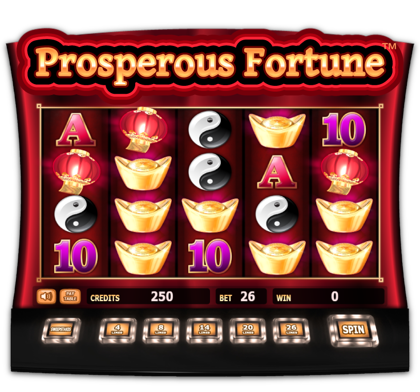
Before entering personal information, read the page carefully and identify what is being offered. A request for an email address does not automatically mean the service is unsafe, but it should have a clear purpose. Be cautious if a supposedly unrestricted demo demands payment details, a deposit or extensive documentation before showing a play-money game. Those requirements suggest that the visitor is being moved into a different product or account process.
What information is normally requested?
A pure demo library generally needs little or no personal information. A visitor may be able to launch a game without supplying a name, date of birth, address or payment details. The virtual balance has no cash value, and ordinary demo winnings cannot be withdrawn, so there is normally no reason for the site to conduct financial or identity checks.
An account-based service may request an email address, password, date of birth and province or country. These details can support account recovery, age controls, location restrictions or access management. The amount and purpose of information should match the feature being offered. A saved-game account may reasonably need contact and login details, but it should not be confused with the documentation required for a real-money account.
Keep the distinction clear when a site links from a demo to a casino. Moving into real-money play can introduce identity verification, proof of address and payment-method checks. Requirements differ by operator and province, so do not assume that a demo’s easy access proves the linked service has the same conditions. Check the operator’s stated requirements before submitting documents or making a deposit.
How can you protect a demo account?
If registration is optional, skipping it can reduce the amount of information stored and avoid the need to recover an account later. The trade-off is that favourites, preferences and session progress may not be saved. Virtual credits can also reset when the browser is refreshed, storage is cleared or the player changes devices. That reset is a normal limitation of play-money access, not necessarily a technical fault.
When an account is necessary, use a unique password that is not used for email, banking or other gambling services. A password manager can create and store a long password, reducing the temptation to reuse familiar details. If the website offers multi-factor authentication, enable it, particularly where the account contains personal information or can connect to a broader casino profile.
Use a current browser and install updates for the operating system and security software. Avoid entering passwords on shared devices, and sign out when using a public or borrowed computer. Be wary of unsolicited messages asking for login details, verification documents or payment information. Legitimate support should not require a password to troubleshoot ordinary access problems. For broader Canadian guidance, consult official cyber security guidance from the Canadian Centre for Cyber Security.
Why demo access does not verify a real-money casino
A game opening successfully in free mode confirms only that the browser can load that particular demo. It does not establish that a real-money version is available in every province, that the linked operator is authorized for a particular user or that the game uses the same settings elsewhere. Availability can vary by provider, website and location.
The displayed RTP is also not a guarantee about an individual session. RTP describes a long-term theoretical return, while volatility indicates how uneven results may be over time. The same title can exist in more than one RTP configuration, so a figure shown beside a demo should not automatically be treated as the specification of every real-money version.
Demo play can still be valuable because it reveals how a title operates. Players can inspect paylines or ways, cascades, multipliers, wilds, scatters, free-spin rounds and jackpot structures without risking a deposit. Treat that information as a product demonstration rather than evidence of likely winnings, a cashable balance or a secure connection to a specific casino account.
What should you check before moving beyond free play?
First, decide whether you want continued game testing or are considering real-money gambling. If the goal is simply to understand a title, no account or payment details should normally be necessary on an unrestricted demo site. If you are considering another service, open its terms independently and confirm its age, location, verification and account conditions before relying on any promotional wording.
Next, review the account and privacy information. Look for an explanation of what data is collected, why it is collected, how long it is retained and how support can be contacted. Check whether registration is optional and whether the site distinguishes clearly between virtual credits, promotional free spins and withdrawable funds. These are separate products with different conditions.
Finally, set a boundary before making any transition. A demo cannot produce income, and a successful virtual session does not predict future results. If you decide to use a real-money operator, confirm the applicable provincial requirements, understand deposit and withdrawal terms, and use the available account controls. Do not provide identity or payment documents merely because a page presents them as the next step in trying a free game.
Frequently asked questions about free-play account security
Can I play a demo slot without giving my name?
Often, yes. Many independent demo libraries allow browser play without registration, a deposit or identity documents. However, some casino-hosted demos require an account before opening. Check the page’s requirements and privacy information before entering an email address or any other personal detail.
Are virtual winnings stored in an account?
Usually, virtual winnings are temporary and have no cash value. They may disappear when the page is refreshed, browser storage is cleared or another device is used. Even where progress is saved through an account, demo credits cannot normally be withdrawn or transferred to a payment method.
Does playing a demo mean the real-money game is available?
No. Demo access only shows that the play-money version loads for you. Real-money availability, provincial conditions, age checks, geolocation, verification and payment arrangements depend on the specific operator. Review that operator’s stated requirements separately before creating an account or depositing funds.